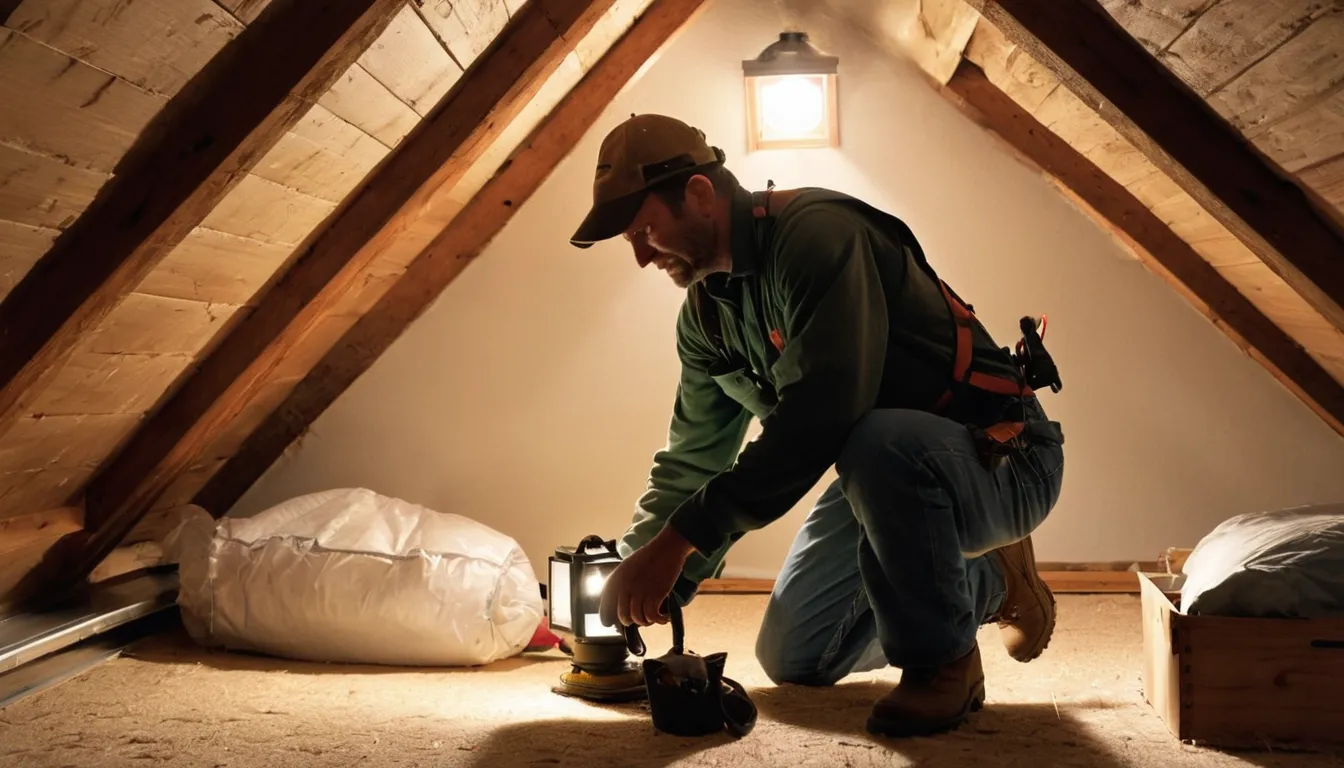
Rodent and Wildlife Removal in Fort Lauderdale, FL
Rodent and wildlife removal means finding the animal, stopping how it gets in, and cleaning up what it left behind. Japanesecrime Pest Control is a referral service. We connect homeowners with independent local providers in our network. The provider does the inspection, trapping, sealing and cleanup. We do not.
Many people search for an exterminator near me when they hear noises overhead. In practice, though, rats, squirrels, raccoons and bats are often handled differently from ants or roaches. This page explains the signs, the usual steps, the rules around humane handling, and typical costs. That way, when you talk to a provider, you already know what to ask and what a fair plan looks like.
Noises in the Attic or Walls? Start Here
Scratching, thumping or squeaking above your ceiling means something has moved in. Before anyone sets a trap, it helps to know what the animal is, how it got in, and what choices you have. Options come first.
Myth: It Will Leave on Its Own
A lot of people think a noisy animal will wander off. In practice, though, a dry, warm attic is a great place to nest. Mice and rats breed quickly. Raccoons and squirrels may be raising young up there. Waiting usually means more animals and more mess.
Why Timing Matters
Rodents chew wiring, and that is a fire concern. Droppings and urine soak into insulation. With humidity high most of the year, damp insulation and odors can spread through a home fast. Nesting seasons also matter, because some young animals cannot be moved safely until later. Request a callback to check provider availability in your area.
Spot It Early: Signs to Watch For
Early clues
- Small, dark droppings near the pantry, water heater or garage shelves
- Faint scratching at dusk or after dark
- Greasy rub marks along baseboards or beams
- Chewed boxes, wiring or pet food bags
- Pet staring at a wall or vent
Louder warnings
- Heavy thumping or rolling sounds overhead
- A musty, sharp smell that gets stronger
- Stains spreading on a ceiling
- Torn soffit, bent vent covers or a new hole at the roofline
- A smell like something has died inside a wall
Which Animal Is It?
The sound tells you a lot. Light, quick patter often points to mice or rats. Heavier steps in the daytime suggest squirrels. Loud thumps at night can mean raccoons or opossums. Chirping or a faint rustle near the roof edge may be bats or birds. A provider can confirm this during an inspection, and the answer changes the plan.
Myth: Poison Is the Easy Fix
It sounds simple. In practice, though, an animal that eats bait may die inside a wall, and that brings odor and flies. Poison can also put pets at risk. Many providers lean on sealing, traps and exclusion instead. Ask what method is planned and why.
How Removal Usually Works
The steps tend to follow the same order.
- Inspection: The provider checks the attic, roofline, vents and foundation edges for entry points and signs of activity.
- Removal: Traps or one-way exits are placed, based on the animal and the season.
- Sealing: Holes are closed with metal, mesh or other durable materials, not just foam.
- Cleanup: Droppings, nesting and soiled insulation may be removed and the area sanitized.
- Follow-up: Some providers return to confirm that nothing got back in.
Humane Handling and Local Rules
Some animals are protected by state or local law. Bats, for example, often cannot be excluded during pup season. Rules on moving trapped animals also differ from place to place. A qualified provider knows what applies and should explain it plainly. If a plan sounds careless, ask questions.
Weak Spots in Homes Around Here
Concrete block homes on slabs still have gaps at the roofline. Tile roofs can leave openings under loose or cracked tiles. Shingle roofs can lift at the edges. Soffits, gable vents and plumbing stacks are common doorways. Heavy summer storms and hurricane season can loosen all of these, so a quick look after bad weather is smart.
Choosing a Removal Provider
- Ask whether they handle the animal you have, since rodents and wildlife can need different skills.
- Ask how they find and seal every entry point.
- Confirm they hold the licenses your state requires.
- Ask what is included for cleanup and dead animal removal.
- Get the plan and price in writing before work begins.
Searching Exterminator Near Me? Read This
Many homeowners start with residential pest control providers, and that can work well for mice and rats. For squirrels, raccoons, bats and similar animals, look for a provider that offers wildlife removal. When you contact a provider, say what you hear and see. That helps match you with the right fit.
Keeping Animals Out Afterward
- Trim branches back from the roof
- Cap chimneys and screen vents
- Store pet food and trash in sealed bins
- Fix leaks and damp spots
- Check the roofline each season
Your Next Step
You do not have to figure this out alone. Describe the sounds, signs and timing, and a provider can walk you through the likely plan and price.
What's Included
Inspection and Entry Points
A provider looks over the attic, roofline and vents to find where animals are getting in.
Trapping Plan
Traps or one-way exits are chosen to fit the animal and the season.
Sealing Gaps
Holes are closed with durable materials so animals cannot return.
Cleanup and Sanitizing
Droppings, nesting and soiled insulation can be cleared and the area treated.
Typical Rodent and Wildlife Removal Costs
Prices depend on the animal, how many there are, and how hard the entry points are to reach. These are typical U.S. ranges only. Always get a written quote before work begins.
| Service | Typical range | Notes |
|---|---|---|
| Inspection | $75 – $300 | Often credited toward work if you proceed |
| Mouse or rat control | $200 – $700 | Higher with several visits |
| Squirrel or raccoon removal | $200 – $800 | Depends on number and access |
| Bat exclusion | $500 – $3,000 | Timing rules may apply |
| Sealing entry points | $300 – $1,500 | Size and roof height matter |
| Attic cleanup and insulation | $500 – $6,000 | Varies by damage and area |
How It Works
Describe the Problem
Tell us what you hear, see or smell, and where in the home it happens.
Get Connected to a Provider
Request a callback to check availability, or use the request form to ask for an estimate.
Review the Plan
The provider inspects, explains the method and gives you a written quote.
Approve Work and Follow Up
Once you agree, the provider handles removal, sealing and cleanup, then checks the results.
Why Call Japanesecrime Pest Control
Options Come First
We explain choices and likely steps so you know what to ask before work starts.
Independent Providers
Local providers in our network do the work, so you deal directly with them on scope and price.
Plain Answers
Clear, simple guidance on signs, methods and costs, without scare tactics or pressure.
Matched Locally
We connect you with providers who serve the Fort Lauderdale area and handle the animal you have.
Other Services
Need rodent and wildlife removal in Fort Lauderdale?
Questions about ants, mice, termites or wildlife? Request a callback to check provider availability, or send a request and describe what you are seeing.
No obligationRodent and Wildlife Removal FAQ
How do I know if I have mice, rats or something bigger in the attic?
Size and timing help. Quick, light scratching points to mice or rats. Heavy steps in daylight suggest squirrels. Loud thumps at night often mean raccoons. A provider can confirm with an inspection and by checking droppings and entry holes.
Is wildlife removal humane?
Reputable providers aim to use humane methods, such as one-way exits and live traps, and follow state and local rules. Some animals are protected. Ask what method is planned, how young animals are handled, and what happens after removal.
Does homeowners insurance cover damage from rodents or wildlife?
Policies differ. Many exclude damage from rodents or long-term infestations, though some may cover sudden damage. Check your policy and ask your insurer. Providers can often help document damage for a claim, such as photos and written findings.
Request a callback
Questions about ants, mice, termites or wildlife? Request a callback to check provider availability, or send a request and describe what you are seeing.
No obligation