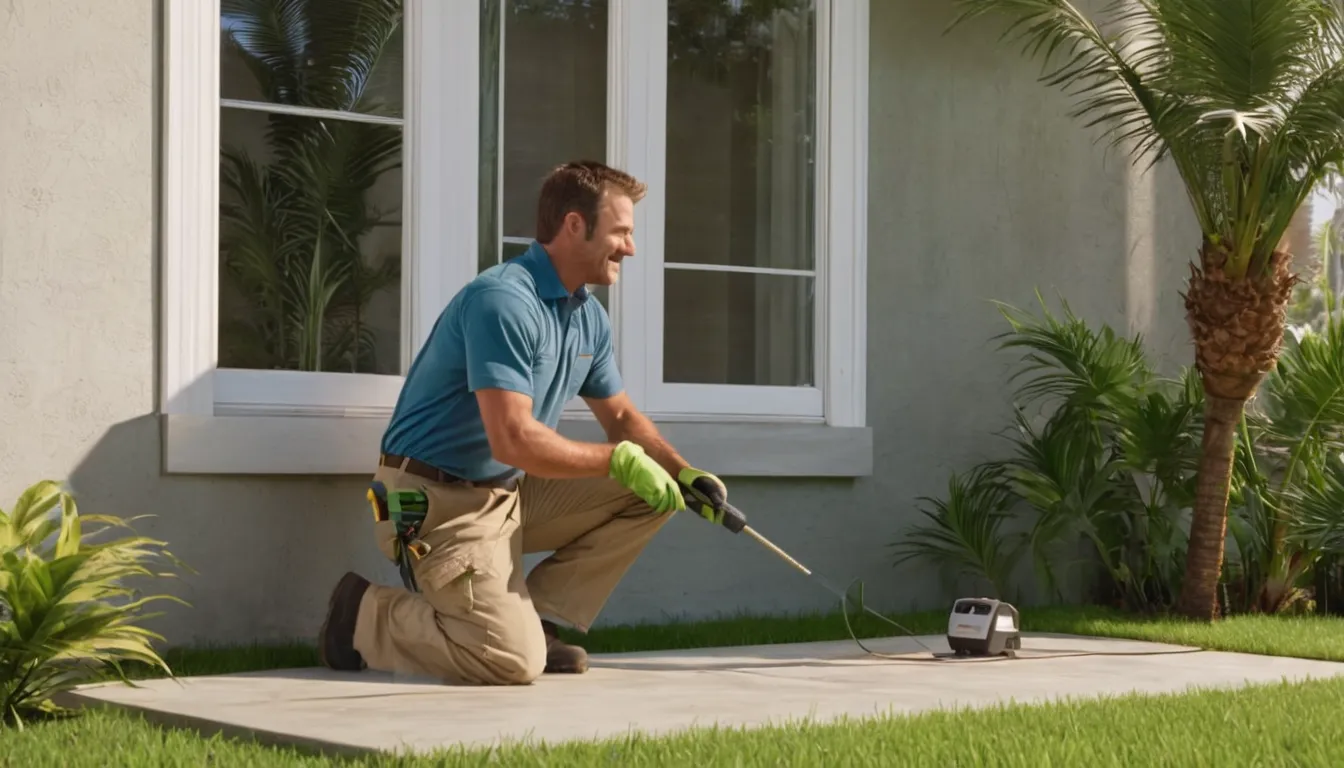
Many homeowners believe termites only attack old, run-down houses. In practice, though, they go after any home with wood, moisture and a way in. That includes concrete block homes with wood framing, roof trusses, cabinets and trim.
Japanesecrime Pest Control is a referral service. It does not inspect or treat homes. It connects you with independent providers in the Fort Lauderdale area who handle termite work. This page explains the warning signs, the main treatment types, and what a visit usually looks like. Options come first, so you can ask better questions before anyone starts work. If you searched for an exterminator near me, this is a good place to begin.
Think You Have Termites? Start Here
A lot of people think a termite problem means the house is about to fall apart. In practice, though, many cases are found while the repair is still small. The key is to act on what you see.
Request a callback to check provider availability for an inspection in Fort Lauderdale. Providers set their own schedules, so ask what is open.
What to Do in the First Hour
Stay calm and do not spray store-bought products on the spot. Sprays can scatter the colony and make it harder to find.
- Take clear photos of what you see.
- Save any wings or insects in a small jar.
- Leave mud tubes and damaged wood untouched.
- Note the room, the date and the weather.
Know the Warning Signs
Spot it early. Termites work out of sight, so the clues are small.
Swarmers and Shed Wings
Winged insects often show up after warm rain. Piles of tiny, matching wings near windows or doors are a strong hint. In our humid climate, swarms can happen in more than one season.
Mud Tubes
Thin dirt tunnels on slab edges, walls or piers are how some termites travel. Break one open. Fresh activity often means the tube gets rebuilt.
Hollow or Soft Wood
Tap baseboards, door frames and window trim. A papery, hollow sound can mean the wood has been eaten from inside.
Tiny Droppings
Dry wood termites push out small pellets that look like sand or coffee grounds. Look under window sills and near attic framing.
Myths That Cost Homeowners Money
"Concrete Block Homes Are Safe"
Block walls do not feed termites. But the roof framing, doors, trim, cabinets and interior wood do. Termites can reach them through tiny cracks in a slab or along utility lines.
"I Would Have Seen Them by Now"
Most colonies stay hidden for a long time. You often see the damage first, not the insects.
"Termites and Ants Are the Same"
Flying ants and swarming termites look alike at a glance. Termites have a thick waist, straight antennae and wings of equal length. A provider can confirm which one you have.
Types of Termites in Warm, Humid Areas
Subterranean termites live in the soil and need moisture. They build the mud tubes. Drywood termites live inside the wood itself and need very little water. Both are common in warm coastal regions.
The type matters because it changes the treatment. Ask the provider to name what they found and show you the evidence.
Why Waiting Makes It Harder
Termites do not take weekends off. A colony can keep feeding through rainy season storms, when soil stays damp and wings take flight.
Small damage may mean a patch repair. Years of feeding can mean replacing framing or trusses. That is a bigger bill and a longer job.
Your Treatment Options
No single method fits every house. A provider should explain why they suggest one.
Liquid Soil Treatment
A treated zone is placed in the soil around the foundation. It is common for subterranean termites. Drilling through slab edges or patios may be needed in some spots.
Bait Stations
Stations placed around the yard attract foraging termites. They carry the bait back to the colony. Results take longer, and stations need regular checks.
Spot and Wood Treatments
For small drywood problems, a provider may treat only the affected wood. This works when the activity is limited and easy to reach.
Whole-Structure Treatment
Widespread drywood termites may call for tenting with a gas, or for heat. You usually leave the home for a few days, so ask about pets, plants and food.
What a Visit Usually Looks Like
The provider checks the attic, crawl areas, garage, trim and the outside of the foundation. They may use a moisture meter or tap the wood. You should get a written report and a plan.
Then you compare. Ask each provider what they found, what they suggest, and what follows after treatment.
Termite Inspections for Home Sales
Many buyers and lenders ask for a termite inspection report. If you are selling, an early inspection can give you time to deal with any findings. If you are buying, the report helps you plan. Ask the provider what the report covers.
Choosing a Termite Provider
The myth is that the first quote is the only quote. Getting two or three written quotes is normal and smart.
- Ask whether the provider is licensed in your state.
- Ask for the product or method in writing.
- Ask what is included if termites come back.
- Compare the scope, not only the price.
If you need broader residential pest control, other providers in the network can help with that too.
After Treatment
Treatment is not the final step. Fix leaks, clear mulch from the foundation, and keep wood off the ground. Gutters and AC drip lines should send water away from the house.
Some providers offer yearly checks or renewals. Ask what they cost and what they cover before you sign. Some policies may cover sudden damage, so check your policy, and providers can often help document damage for a claim.
Ready to Compare Options?
Options come first. Request an estimate, and a local provider in our network can talk through what they see and what could happen next.
What's Included
Termite Inspection
A provider checks attic, trim, foundation and yard for live activity, damage and moisture problems.
Type Identification
Subterranean or drywood: the provider names the termite so the plan fits.
Treatment Plan
Soil, bait, spot or whole-home options are explained in writing before work begins.
Follow-Up Checks
Many providers offer return visits to confirm activity has stopped and to check the home.
Typical Termite Treatment Costs
Prices vary by home size, termite type and method. These are typical U.S. ranges only. Always get a written quote that lists exactly what is included.
| Item | Typical range | Notes |
|---|---|---|
| Termite inspection | $75 – $300 | Some providers fold it into treatment |
| Liquid soil treatment | $800 – $2,500 | Depends on foundation length |
| Bait station system | $1,000 – $3,000 | Often includes monitoring visits |
| Spot wood treatment | $250 – $900 | For small drywood areas |
| Whole-home tenting | $1,200 – $4,000 | Size and access change the price |
| Annual renewal or warranty | $100 – $400 | Check what it covers |
How It Works
Note What You See
Take photos of wings, mud tubes or damaged wood. Do not disturb it or spray.
Reach Out
Request a callback to check provider availability, or use the request form.
Compare Plans
Review the written findings, method and price from one or more providers.
Treat and Follow Up
Schedule the work, fix moisture issues, and ask about later checks.
Why Call Japanesecrime Pest Control
Options Before Work Begins
Learn the main treatment types first, so you can ask clear questions when a provider arrives.
Independent Providers
Providers in our network run their own businesses and set their own quotes and schedules.
Plain Answers
Myths and jargon are cleared up in simple words, so a call feels informed.
No Obligation
Ask questions and compare quotes without pressure to commit to anything.
Other Services

Need home termite treatment in Fort Lauderdale?
Questions about ants, mice, termites or wildlife? Request a callback to check provider availability, or send a request and describe what you are seeing.
No obligationHome Termite Treatment FAQ
How do I know if I have termites or flying ants?
Termites have a thick waist, straight antennae and wings of equal length. Ants have a pinched waist, bent antennae and uneven wings. Save a few insects in a jar so a provider can confirm.
Can I treat termites myself with store-bought products?
Store-bought sprays usually reach only the termites you can see. They rarely get the hidden colony and can make it harder to find. A licensed provider can check the whole structure and explain proper options.
Does homeowners insurance cover termite damage?
Most policies exclude termite damage, but some may cover sudden damage. Check your policy. Providers can often help document damage for a claim.
Request a callback
Questions about ants, mice, termites or wildlife? Request a callback to check provider availability, or send a request and describe what you are seeing.
No obligation